 (NewsUSA)
 - Expanded Coverage for Less-Invasive Tests Can Help
Colorectal cancer is now the top cause of cancer deaths in men and women 50 and younger. Deaths from other common cancers in younger adults are dropping, but this one is rising. High‑profile deaths of actors James Van Der Beek, 48, and Chadwick Boseman, 43, have drawn attention to this deadly trend.
Racial and regional gaps also persist. The American Cancer Society reports that Latinos in the United States die from colorectal cancer at higher rates than those in many Central and South American countries. Black men and women are about 40% more likely to die from the disease than white Americans. Rural residents face greater risk than those in cities. Not getting screened is a key factor.
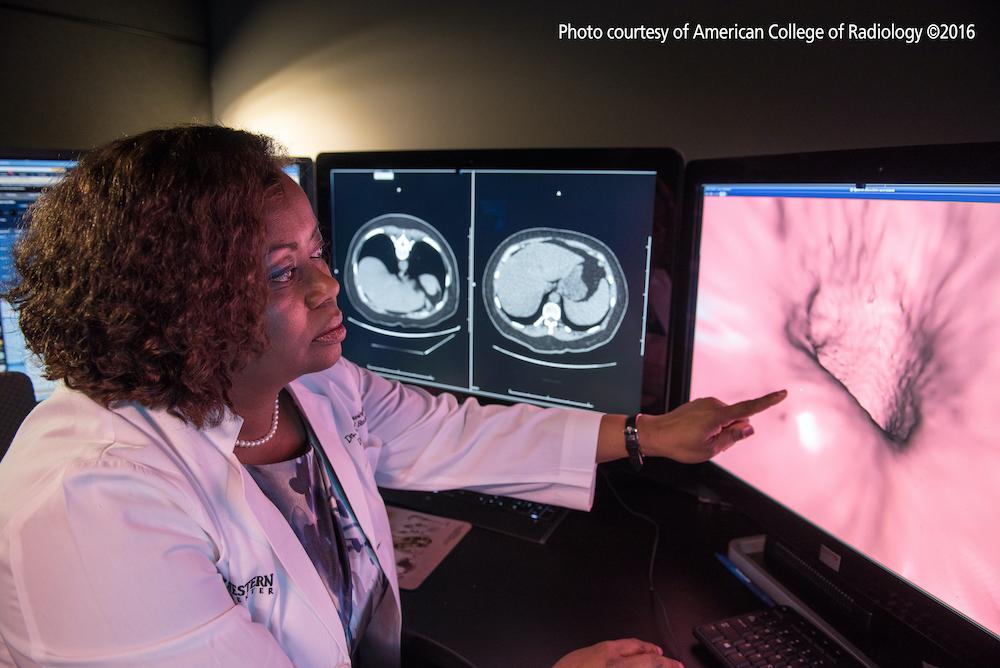
Healthcare advocates and doctors say virtual colonoscopy, also called CT colonography, can overcome cultural stigmas, fear and other concerns that keep people from being tested. A CT scanner creates 3D moving images of the colon. Doctors use them to spot cancer and precancerous polyps that can be removed before they turn into cancer.
“Colorectal cancer screening is not one size fits all,” said Anjee Davis, CEO of Fight Colorectal Cancer. “Virtual colonoscopy and other less invasive options can help more people take the first step.”
Coverage improvements can help. Medicare began covering virtual colonoscopy in January 2025. The Affordable Care Act requires private insurers to cover the exam. Cigna, UnitedHealthcare, Anthem Blue Cross Blue Shield and Aetna already do.
“Medicare and private insurance coverage helps more people get screened,” said Kevin Chang, MD, chair of the American College of Radiology Colon Cancer Committee and Chief of Abdominal Imaging, Boston University Medical Center. “Doctors can now remove more polyps before they turn into cancer and treat more cancers early.”
About 53,000 Americans still die of colorectal cancer each year. Virtual colonoscopy use is growing fastest among Black Americans and Latinos. Experts believe more covered exams could persuade many of the 30% of eligible adults who avoid screening to finally get tested.
“Affordability and accessibility are vital to increasing screening rates,” said Michael Sapienza, CEO of the Colorectal Cancer Alliance. “Improving access and choice for more people can save lives.”
Preparation is similar to traditional colonoscopy, but virtual colonoscopy is less invasive, requires no sedation and takes only minutes. Many can drive themselves to and from the exam and then resume normal activities. President Obama chose a virtual colonoscopy when in office.
“Conveniences matter -- many cannot afford to take a day off work, nor have reliable transportation or childcare,” said Cecelia Brewington, MD, Chair of Medical Imaging at Ochsner Health System, New Orleans. “Being able to go back to work after may determine if a person gets screened – which can save their life.”
The American Cancer Society recommends virtual colonoscopy for those at average risk, with no family history or major gastrointestinal conditions.
Adults 45 and older should talk with their doctor about which exam is right for them.
Find more information at RadiologyInfo.org/virtualct.
